How to Compare Mindfulness Training Formats
Choosing a mindfulness program involves more than just finding a convenient schedule. The format itself—from a self-paced app to an immersive in-person retreat—fundamentally shapes the experience, the depth of learning, and the potential for lasting change. For organizations and individuals planning corporate wellness initiatives or personal development journeys, the decision between live online sessions, a structured course, or a full-residency program hinges on the intended outcome. This guide provides a clear framework for evaluating your options in mindfulness training.
The right format depends entirely on your objectives. A team looking for a brief introduction to stress-reduction techniques has different needs than an individual seeking a profound, transformative experience within an authentic tradition. We find that many prospective learners benefit from first clarifying their goals before comparing specific curricula. This ensures the time and financial investment aligns with a program capable of delivering the desired results, whether that is basic stress management or a deeper exploration of contemplative practices like meditation.
Choosing Your Format: A Detailed Comparison
The structure of a mindfulness program directly impacts its intensity, the level of personalized feedback, and the environment for practice. While online formats offer accessibility, in-person programs provide an unparalleled level of immersion. Understanding these trade-offs is the first step in making an informed decision. The following table breaks down the most common formats by key decision-making criteria.
| Format | Typical Time Commitment | Feedback & Guidance | Intended Outcome | Best For |
|---|---|---|---|---|
| Self-Paced (Apps/Online) | Low (e.g., 10-20 min/day) | Minimal to none; automated or pre-recorded. | Basic stress reduction, habit formation, introduction to concepts. | Beginners needing maximum flexibility or a low-cost entry point. |
| Live Online Courses | Medium (e.g., 1-2 hours/week for 4-8 weeks) | Moderate; group Q&A, some interaction with instructor. | Structured learning of specific techniques, group accountability. | Individuals or teams seeking guided instruction without travel. |
| In-Person Retreats | High (e.g., full-time for 3, 7, or 30 days) | High; direct, personalized feedback from teachers and group dialogue. | Deep immersion, transformative experience, breaking ingrained habits. | Those seeking a significant shift in perspective or a break from daily routines. |
| MBSR (Mindfulness-Based Stress Reduction) | Medium-High (8 weekly classes + one full-day retreat) | High; structured group process and instructor-led inquiry. | Clinically-structured approach to managing stress, anxiety, and pain. | Individuals seeking a secular, evidence-based program with a specific therapeutic goal. |
| Teacher Training | Very High (Months to years of intensive study and practice) | Very High; includes mentorship, practice teaching, and in-depth study. | Professional qualification to teach mindfulness to others. | Experienced practitioners aiming to guide others in a professional capacity. |
For those considering an in-person option, the environment becomes a critical factor. Our programs offer temple stay experiences at Longmen Guanghua Temple, providing an authentic setting that removes external distractions and supports deep, focused practice far beyond what a typical weekly class can offer.
Key Decision Criteria Beyond the Format
Once you have a general idea of the format that fits your schedule and commitment level, other qualitative factors become important. These elements distinguish a standard course from a truly enriching one and are essential for B2B buyers and program organizers to consider when vetting potential providers.
- Depth of Immersion: A weekend workshop is different from a 7 day Zen retreat China. True immersion requires stepping away from daily life. Funzendo specializes in these immersive temple experiences, introducing international guests to Chinese contemplative traditions in the authentic setting of Longmen Guanghua Temple. This allows participants to fully engage with the practices and the rhythm of monastic temple life without distraction.
- Authenticity and Lineage: Where does the teaching come from? Mindfulness is not a modern invention; it is rooted in ancient contemplative traditions. Our programs are grounded in Chan (Zen) Buddhism, providing a direct connection to a rich philosophical and practical heritage. This ensures the training is not just a set of techniques but a holistic system for cultivating awareness.
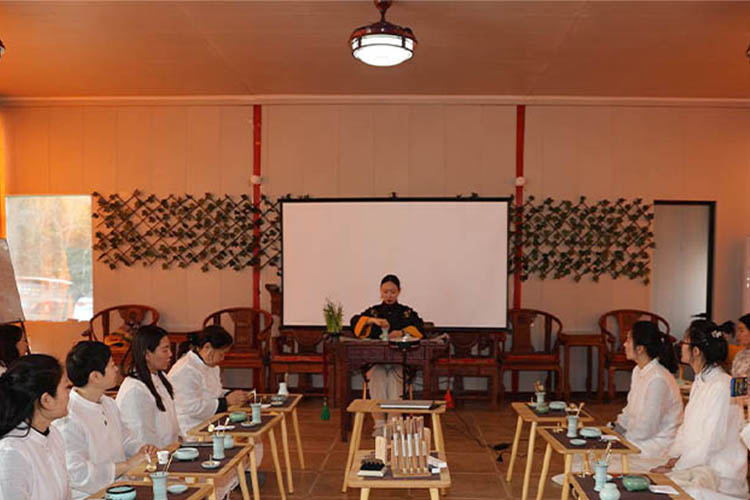
- Integration of Modalities: A powerful program often incorporates more than just sitting meditation. We have developed a unique experience that combines sound healing, meditation, and mindful tea rituals. Participants engage in guided singing bowl sound healing to encourage relaxation and mindful listening, alongside our authentic Chinese tea ceremony, which is informed by over 10 years of dedicated tea practice blending tradition with Zen philosophy.
- Instructor Expertise: The quality of any training program rests on its instructors. Are they experienced practitioners with a deep understanding of the material they teach? Can they guide a diverse group of participants with varying levels of experience? Ensure the provider has qualified teachers rooted in the tradition they represent.
Common Pitfalls When Selecting a Mindfulness Program
Navigating the diverse market for mindfulness training can be challenging. Many buyers, both individual and corporate, make predictable mistakes that lead to a suboptimal experience. Avoiding these common errors can help ensure your investment yields meaningful results.
1. Choosing Based on Convenience Alone
The easiest option is not always the most effective. While a mobile app is convenient for a 10-minute daily practice, it lacks the structure, community, and expert guidance necessary for deep learning or addressing significant personal challenges. For substantial growth, a more committed format is almost always required.
2. Mismatching the Program to Your Goal
A beginner seeking basic relaxation techniques would likely feel overwhelmed in an intensive, silent deep Zen meditation retreat. Conversely, an experienced practitioner may find a beginner's course too superficial. It is essential to choose a program that aligns with your current experience level and future aspirations. For instance, our 3 day meditation retreat China is specifically designed as an accessible entry point for those new to the practice.
3. Overlooking the Cultural and Philosophical Context
Many modern mindfulness programs are secular, stripping the practices of their original context. While effective for some, this approach can miss the richness and depth found in traditional lineages like Zen Buddhism. Programs taught within a cultural framework provide a holistic understanding that integrates ethics, philosophy, and community, offering a more complete path to well-being. This is a core part of our accessible Zen meditation and mindfulness practices for beginners seeking greater balance.
4. Ignoring the Importance of Community
Practicing with a group provides motivation, support, and the opportunity to learn from the experiences of others. This is a key advantage of live online courses and especially in-person retreats. The shared intention and collective energy of a group can significantly deepen one's personal practice in a way that solo training cannot replicate.
For organizations and group leaders, understanding these nuances is key to curating a program that delivers real value. Whether you are arranging a corporate wellness retreat or a cultural journey, the format and its underlying philosophy are the foundation of the experience.
If you are planning a group wellness program or seeking an authentic cultural experience, please contact us to discuss program options and availability.