Spiritual Tourism Supports Sacred Site Communities
Spiritual Tourism should answer a practical question before an itinerary is confirmed: does the visit respect the religious function of a sacred place while directing spending toward the people and institutions responsible for it? A meaningful temple visit is not defined by photography, novelty, or a tightly packed schedule. It is defined by informed conduct, realistic expectations, and a program structure that allows guests to learn without treating religious life as a performance. For travel planners, corporate wellness coordinators, and group organizers, this means selecting programs that explain local rules, make space for quiet participation, and confirm how host communities are involved. At Longmen Guanghua Temple in Luoyang, Funzendo offers scheduled and reservation-based temple stays, meditation activities, wellness training, tea culture, and Buddhist cultural programs for individuals and small groups.

What is Sacred Site Visits?
Sacred site visits are planned cultural and contemplative experiences at places where religious practice, heritage, and community responsibilities remain active. In responsible Spiritual Tourism, a temple is not simply an attraction. It is a living setting with daily routines, areas that may be restricted, and expectations for visitor behavior. This distinction matters when planning a temple stay, a meditation retreat, or a Buddhist heritage itinerary. A suitable program gives guests access to learning while recognizing that ceremonies, prayer periods, residential areas, and religious objects may not be available for casual use. The best fit is for groups seeking reflection, cultural understanding, and guided participation. It does not fit operators whose itinerary depends on unrestricted filming, loud entertainment, rushed site access, or guaranteed access to every religious space. Guests who want a structured introduction can review Temple stay options before selecting dates.
Types of Sacred Site Visits
Travel planners should match the format to the group’s purpose rather than treating every sacred-site program as interchangeable. Spiritual Tourism can include quiet temple residence, guided meditation, tea and incense culture, traditional wellness practice, or heritage-focused travel. A short program may suit a first-time group that needs cultural orientation and basic etiquette. A longer retreat may suit participants who can follow a more settled routine and accept fewer external activities. Heritage itineraries are suitable for groups that want historical context alongside contemplative practice, while wellness-focused formats suit corporate teams seeking calm, guided breathing, and mindful movement. Do not place guests with very different expectations into one format without screening them first. A leisure group seeking sightseeing and a group seeking silence may need separate schedules.
- Temple stay: Best for guests who want to observe daily Buddhist temple life and accept site-specific routines.
- Zen meditation program: Best for beginners who want guided sitting, breathing, and mindfulness practice.
- Tea, incense, and sound activity: Best for cultural groups seeking a calm, facilitated session rather than a formal retreat.
- Wellness training: Best for groups interested in Taoist wellness, Chinese medicine culture, or mindful movement.
- Buddhist heritage itinerary: Best for planners who need a cultural route with guided historical context.
Features of Sacred Site Visits
The defining feature of a well-designed Spiritual Tourism program is not access alone. It is the quality of orientation before participation. Guests should know whether they are attending a teaching, observing a ritual, joining a silent period, or taking part in a cultural activity. At Funzendo, available program themes include Chan meditation, Buddhist temple life, Chinese tea culture, traditional incense culture, Taoist wellness, Chinese Buddhist heritage, and singing bowl sound experiences. Singing bowls are presented as guided listening activities that encourage relaxation, mindful attention, and inner calm. Tea experiences draw on more than 10 years of tea practice and connect Chinese tea culture with Zen philosophy. These offerings should not be presented as medical treatment, guaranteed personal transformation, or permission to imitate religious practices without instruction. For groups interested in Buddhist heritage, a Tang Esoteric Buddhist heritage itinerary may be a better fit than an unstructured site visit.
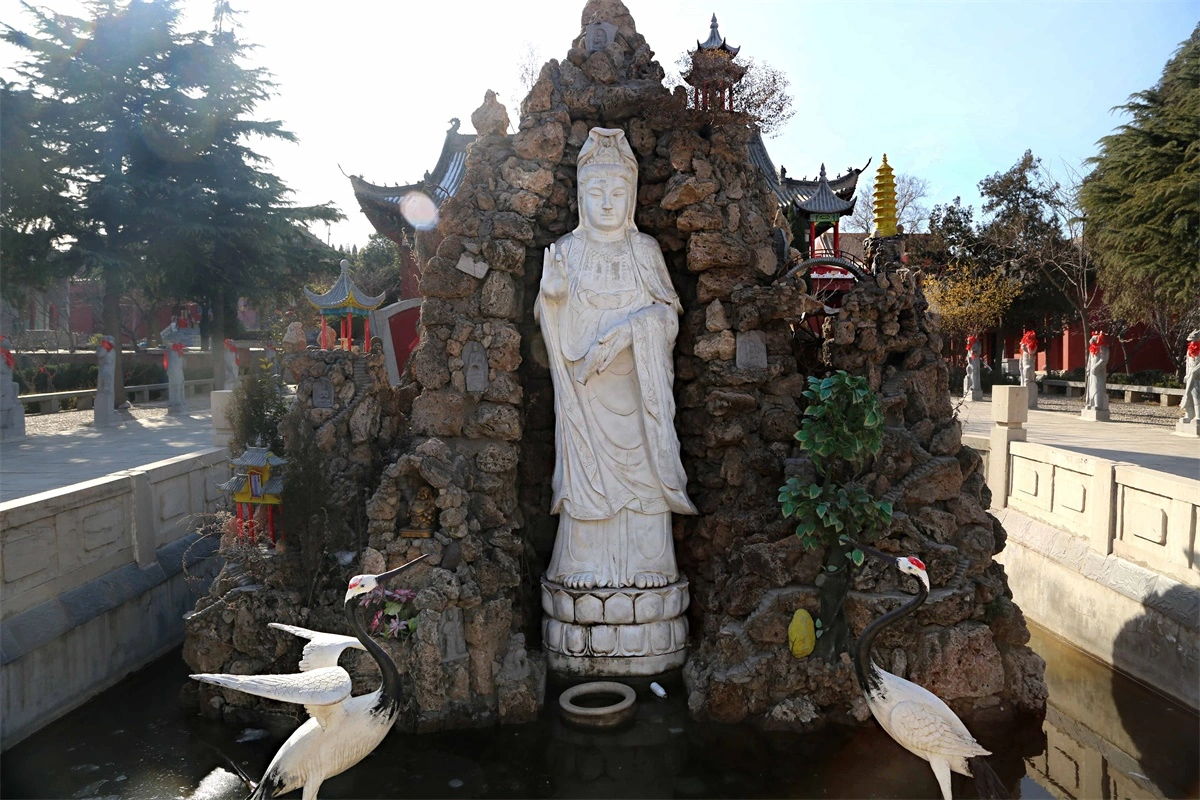
Sacred Site Visits Application
Responsible sacred-site visits can support several planning needs when the activity is selected with care. Overseas travel agencies can use a temple-based program as a focused cultural component within a China itinerary. Corporate wellness coordinators can choose introductory meditation, tea culture, or sound-healing sessions for teams that need a calm and respectful group activity. Cultural institutions may select a heritage-focused format for participants studying Chinese Buddhism and traditional practices. A retreat organizer may prefer a scheduled meditation stay for a smaller group that can follow quiet periods and shared etiquette. The right application depends on participant readiness. A group with no prior exposure to Buddhist settings should begin with an orientation-led format rather than a silent intensive. For a structured beginner option, planners can consider the experience a traditional Chan meditation retreat program, subject to schedule and reservation availability.
Sacred Site Visits Price
There is no responsible fixed price for every sacred-site program because duration, accommodation needs, group size, itinerary content, and scheduling requirements vary. A buyer should request a written quotation that separates the components of the experience rather than accepting an unclear package label. This protects both the organizer and participants from misunderstandings about what is included. In Spiritual Tourism, lower cost is not always the best indicator of community benefit. A program that omits orientation, local coordination, or clear accommodation details can create operational problems and disrespectful guest behavior. Request pricing only after defining participant numbers, preferred dates, room requirements, language support needs, desired activities, and any dietary or accessibility considerations. A quote is most useful when it identifies the planned service scope and any items that are not included.
| Quotation checkpoint | What to request | Why it matters |
|---|---|---|
| Program format | Temple stay, meditation, wellness training, tea culture, or heritage itinerary | Prevents an activity from being marketed as a different experience |
| Accommodation scope | Room arrangement and stay dates | Allows the buyer to match participant expectations to the actual stay |
| Guidance scope | Orientation, activity facilitation, and language requirements | Reduces avoidable etiquette errors and timetable confusion |
| Site rules | Photography, dress, quiet periods, and restricted-area policies | Lets group leaders prepare guests before arrival |
How to Select Visits That Direct Spending to Local Custodians and Follow Site Protocols
This selection process is the central safeguard for Spiritual Tourism. Choose operators and visits that make the host site’s role visible, explain protocols in advance, and avoid treating sacred life as a commodity. The practical test is simple: can the organizer state who receives payment for accommodation, guidance, meals, site coordination, and cultural instruction? If the answer is vague, ask for clarification before promoting the program. Select activities that are approved by the host setting and remove any itinerary element that requires intrusive filming, staged ritual reenactment, or access to private worship areas. This approach fits agencies, retreat leaders, and corporate buyers who need a defensible program standard. It does not apply as a substitute for each site’s own instructions; local guidance must always take priority when rules change.
- Identify the custodian. Ask who is responsible for the temple, activity area, or cultural teaching. Do not assume that a nearby commercial vendor represents the site.
- Request protocol notes. Confirm dress expectations, quiet periods, photography limits, arrival procedures, and restricted locations before the group departs.
- Review spending channels. Ask the supplier to identify what the quotation covers and whether core services are arranged with local custodians or approved local providers.
- Set group rules in writing. Tell guests not to interrupt ceremonies, touch ritual objects, enter private spaces, or demand special access.
- Appoint one group lead. Give one person responsibility for relaying changes and handling questions instead of having many guests approach staff during religious activities.
Common selection failures to avoid
- Failure: Choosing only by photo opportunities. Result: The itinerary may conflict with prayer times or site rules.
- Failure: Calling every cultural activity a religious initiation. Result: Guests receive misleading expectations and may disrespect the tradition.
- Failure: Leaving etiquette until arrival. Result: Visitors make preventable mistakes before the orientation begins.
- Failure: Pressuring hosts for exceptions. Result: The group creates an extractive experience rather than a respectful visit.
Sacred Site Visits User Guide
Group leaders should prepare participants before travel, not at the temple gate. Start by sending a short briefing that explains modest clothing, quiet conduct, phone use, photography restrictions, and the need to follow host instructions. Then confirm that each guest understands the difference between observation and participation. In a meditation setting, beginners should be told that comfort adjustments and questions can be raised through the designated facilitator rather than by leaving repeatedly or speaking during quiet practice. In a tea or incense activity, participants should follow the host’s sequence instead of handling implements without invitation. Spiritual Tourism works best when leaders build unhurried time into the schedule for orientation and reflection. It is unsuitable for a timetable that moves guests immediately from one attraction to another. Planners seeking mindfulness-focused programming can explore a deeper Buddhist meditation practice before deciding which format fits their group.
Sacred Site Visits Supplier
A Sacred Site Visits Supplier should provide clear program descriptions, reservation guidance, and realistic limits on access and availability. Funzendo is based at Longmen Guanghua Temple in Luoyang, China, and offers programs that include meditation retreats, temple stays, traditional wellness training, Buddhist cultural experiences, tea culture, and pilgrimage-oriented itineraries. Individual bookings and small-group programs are available, while duration, group requirements, and availability vary by retreat, course, and itinerary. This makes Funzendo suitable for planners who prefer a discussion-based selection process rather than a generic mass-tour itinerary. Our Spiritual Tourism approach combines sound healing, meditation, and mindful tea rituals where appropriate, while keeping the cultural setting and host protocols central. Buyers who require Taoist wellness content may also review Taoist wellness options before requesting a program recommendation.
FAQ of Sacred Site Visits
Can a first time visitor join a sacred site program?
Yes, provided the format includes suitable orientation and the visitor is prepared to follow the site’s rules. First-time guests should choose introductory meditation, tea culture, temple-life observation, or guided cultural activities rather than assuming they can join every religious practice. Spiritual Tourism should be based on consent, instruction, and respect for the host community. It is not appropriate to promise participants private religious access, ceremonial roles, or unrestricted photography.
How should a travel company assess whether a program is respectful?
Ask for a written outline covering the activity purpose, location, conduct rules, group-size requirements, reservation process, and what happens if the site schedule changes. A responsible supplier can explain where visitors may go, when silence is expected, and how group leaders should manage participant questions. The company should also avoid marketing language that reduces sacred traditions to entertainment or wellness trends.
Are temple stays and wellness courses the same product?
No. A temple stay centers on the setting, daily rhythm, and respectful presence within a Buddhist environment. A wellness course may focus more directly on meditation, tea culture, Taoist practices, or Chinese medicine wellness themes. Some groups may combine them, but the program must be confirmed by schedule and reservation. Select the format according to participant purpose, readiness, and the host site’s available arrangements.
If you are looking for a reliable Sacred Site Visits supplier please contact us anytime to get the latest quote.