Wellness Travel Differs From Spa Vacations
What is Wellness Travel?
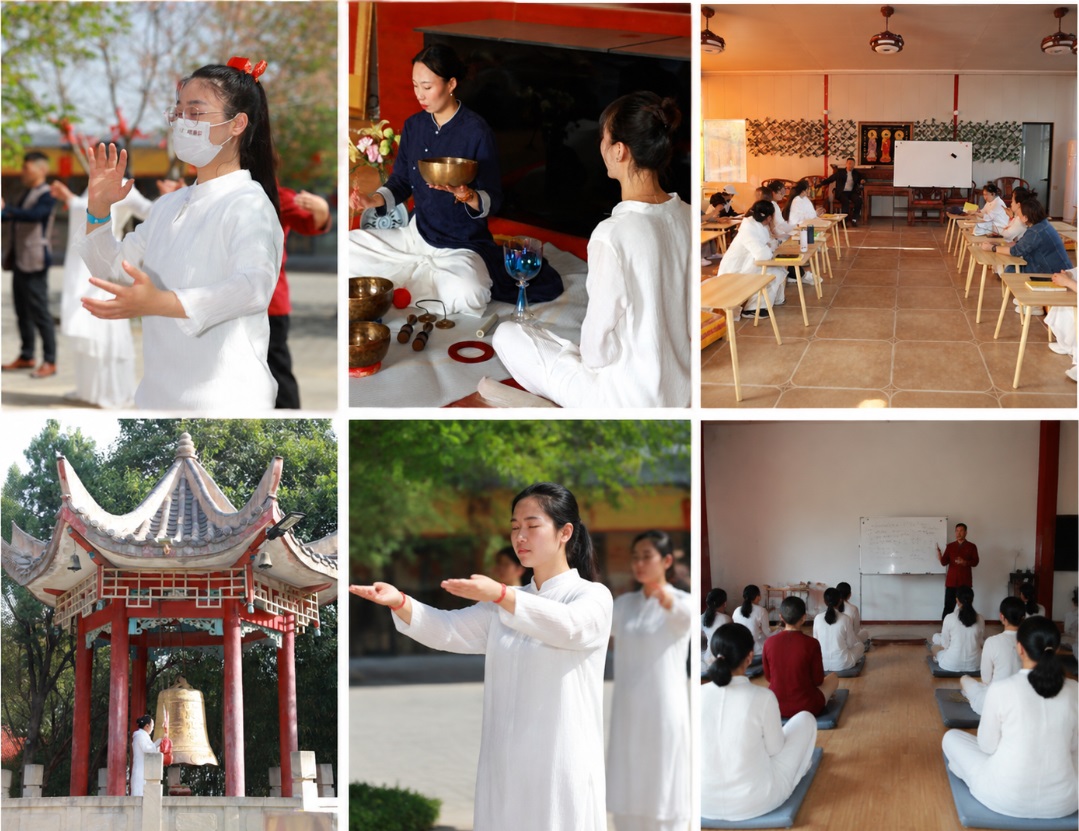
Wellness Travel is travel planned around structured practices, cultural learning, reflection, and personal restoration rather than leisure services alone. A spa vacation may include rest, treatments, dining, and resort amenities, while this format uses a program purpose to shape the schedule, setting, and participant expectations. At Longmen Guanghua Temple in Luoyang, programs may include Chan meditation, temple life, Chinese tea culture, traditional incense culture, Taoist wellness, and Buddhist heritage learning. The distinction matters for travel planners because participants need to understand whether they are booking relaxation services or a guided cultural wellness experience. A temple-based program may include quiet periods, group practice, mindful tea rituals, and participation in an environment with established daily rhythms. It is better suited to travelers seeking meaningful engagement with contemplative traditions, not guests expecting the flexible service model of a resort spa.
Types of Wellness Travel
Wellness Travel can be organized in several formats, and each format serves a different buyer brief. Short meditation retreats fit first-time participants who want a focused introduction without a long absence from work or family obligations. A 3 day meditation retreat China option may suit planners building a compact cultural itinerary with a clear meditation component. Longer stays can give participants more time for reflection and regular practice, but they require stronger commitment and more careful screening. Temple stays place accommodation and activities within a Buddhist setting, whereas wellness training programs may place greater attention on tea, incense, breathing, movement, or traditional Chinese wellness practices. Cultural pilgrimage formats add heritage sites and travel logistics, making them better for groups whose purpose includes historical learning. Buyers should choose the format from the intended participant outcome, not from a generic label such as “wellness.”
Meditation retreat: Best for groups seeking guided sitting, breathing practice, and mindful attention. It does not fit guests who want unstructured resort leisure.
Temple stay: Best for participants interested in daily Buddhist temple life and a quiet residential setting. It does not fit travelers who require hotel-style privacy or flexible dining expectations.
Traditional wellness training: Best for organizers seeking practical exposure to tea culture, incense culture, Taoist wellness, or Chinese medicine wellness topics. It should not be presented as medical treatment.
Buddhist heritage itinerary: Best for specialist cultural groups that want meditation combined with site-based learning. It needs more transport and scheduling coordination than a single-location stay.
Features of Wellness Travel
The defining features are intentional program design, active participation, and a setting connected to the chosen practice. At Funzendo, participants may encounter guided singing bowl sound experiences that encourage relaxation, mindful listening, and inner calm; beginner-accessible meditation and breathing practices; and mindful tea rituals shaped by Chinese tea culture and Zen philosophy. Funzendo has over 10 years of tea practice in this area. These elements should be described carefully in sales material. Sound healing is a guided relaxation experience, not a clinical intervention. Meditation is a practice for attention and balance, not a guaranteed solution for stress or health conditions. Tea ceremony sessions are cultural and contemplative activities, not ordinary beverage service. Program planners should also avoid promising specific religious content unless it is confirmed in the selected itinerary. Buddhist cultural settings can be meaningful, but group leaders should brief guests on respectful conduct and varying comfort levels with spiritual practice.
Comparison of wellness travel and spa vacations by trip purpose program design destination assets and expected outcomes
The practical difference between Wellness Travel and a spa vacation becomes clear when planners compare the buying criteria. Choosing the wrong format can create dissatisfaction even when accommodation and service are good. For example, a corporate group seeking quiet reflection may find a resort spa too entertainment-led, while guests expecting massages and pool time may feel restricted by a practice-based temple schedule. A travel company should define the desired participant experience before selecting a destination. Temple programs rely on contemplative surroundings, cultural instruction, and scheduled participation. Spa holidays rely more heavily on hospitality, treatments, leisure facilities, and personal choice. Neither model is better in every situation. The right option depends on whether the group’s stated purpose is restoration through services or learning through a structured cultural and mindful practice.
| Decision parameter | Wellness Travel program | Spa vacation | What happens if the buyer gets it wrong |
|---|---|---|---|
| Trip purpose | Reflection, cultural learning, mindfulness, and practice | Rest, personal care, leisure, and treatment-based relaxation | Participants may expect services when the schedule requires active involvement. |
| Program design | Scheduled meditation, tea, sound, temple, or wellness activities | Flexible treatment bookings and free-time leisure | A fixed practice schedule can feel unsuitable for guests expecting independent time. |
| Destination assets | Temple setting, cultural instructors, heritage context, and quiet practice spaces | Resort rooms, spa facilities, pools, restaurants, and treatment rooms | Comparing only room quality overlooks the setting needed for the intended experience. |
| Expected outcomes | Greater present-moment awareness, cultural understanding, and a sense of calm | Rested feeling, comfort, and enjoyment of hospitality services | Overstated claims about transformation or health results can damage trust. |
Wellness Travel Application
For travel planners, Wellness Travel is useful when a standard sightseeing itinerary needs a purposeful anchor. An overseas cultural travel group may schedule a temple stay before visiting Buddhist heritage locations, allowing guests to experience meditation and tea culture rather than only viewing sites. Corporate wellness teams can consider an introductory meditation and mindful listening program when the aim is a calm group activity away from normal work routines. This is most suitable when participants are informed in advance that the event involves quiet attention and guided practice. It is not suitable when the organizer needs a high-energy incentive activity or entertainment-led agenda. Specialist agencies may also build themed programs around Taoist wellness, tea culture, incense culture, or Chinese medicine wellness training. For heritage-focused groups, a Longmen Zen heritage itinerary can provide a relevant cultural direction, subject to the available schedule and reservation requirements.
Wellness Travel Price
Wellness Travel pricing should be requested against a defined program brief because duration, availability, accommodation arrangements, group size, teaching content, transport needs, and itinerary complexity can change the total cost. Funzendo offers individual bookings and small-group programs, while group size and booking requirements vary by program. Buyers should not assume that a temple stay, a meditation retreat, and a multi-location heritage itinerary carry the same cost structure. A single-location program may have fewer moving parts, while a cultural itinerary with several destinations can require more coordination. Seasonal demand and the selected reservation dates can also affect availability. The practical approach is to prepare a written request stating the participant profile, preferred dates, intended duration, desired practices, room expectations, dietary considerations, language needs, and transport scope. This reduces unsuitable quotations and helps planners compare offers on like-for-like inclusions rather than headline price alone.
| Cost item to confirm | Why it affects the quotation | Buyer action |
|---|---|---|
| Program duration | More scheduled days can require additional accommodation, instruction, and coordination. | State preferred arrival and departure dates. |
| Participant profile | Beginner groups may need different guidance from experienced meditation participants. | Describe prior experience and accessibility needs. |
| Activity mix | Meditation, tea, sound, temple life, and heritage visits involve different planning needs. | Rank required activities and optional activities separately. |
| Group arrangements | Booking requirements and available formats vary by program. | Confirm expected group size before requesting a final proposal. |
Wellness Travel User Guide
A good Wellness Travel plan begins with a participant briefing, not an attraction list. First, define whether the group wants a temple stay, a meditation retreat, traditional wellness training, or a heritage-focused itinerary. Second, check that participants understand the expected schedule, quiet periods, dress expectations, and respectful behavior in a Buddhist setting. Third, select a program length that matches the group’s experience level. Beginners often benefit from accessible breathing and meditation instruction rather than an intensive format chosen only for its cultural appeal. Fourth, identify any dietary, mobility, language, or timing requirements before reservation. Finally, give guests practical preparation notes: arrive with an open but realistic expectation, follow instructor guidance, avoid treating sessions as medical care, and allow time away from devices where the program calls for mindful attention. A daily Buddhist temple life experience can be especially meaningful when visitors understand that participation and respectful observation matter as much as sightseeing.
Set one primary group outcome, such as meditation introduction, tea culture learning, or cultural heritage study.
Choose a program type that directly supports that outcome.
Screen expectations for comfort with quiet time, shared activities, and temple etiquette.
Send participant details and preferred dates for availability review.
Confirm the final schedule only after program requirements and reservations are agreed.
Wellness Travel Supplier
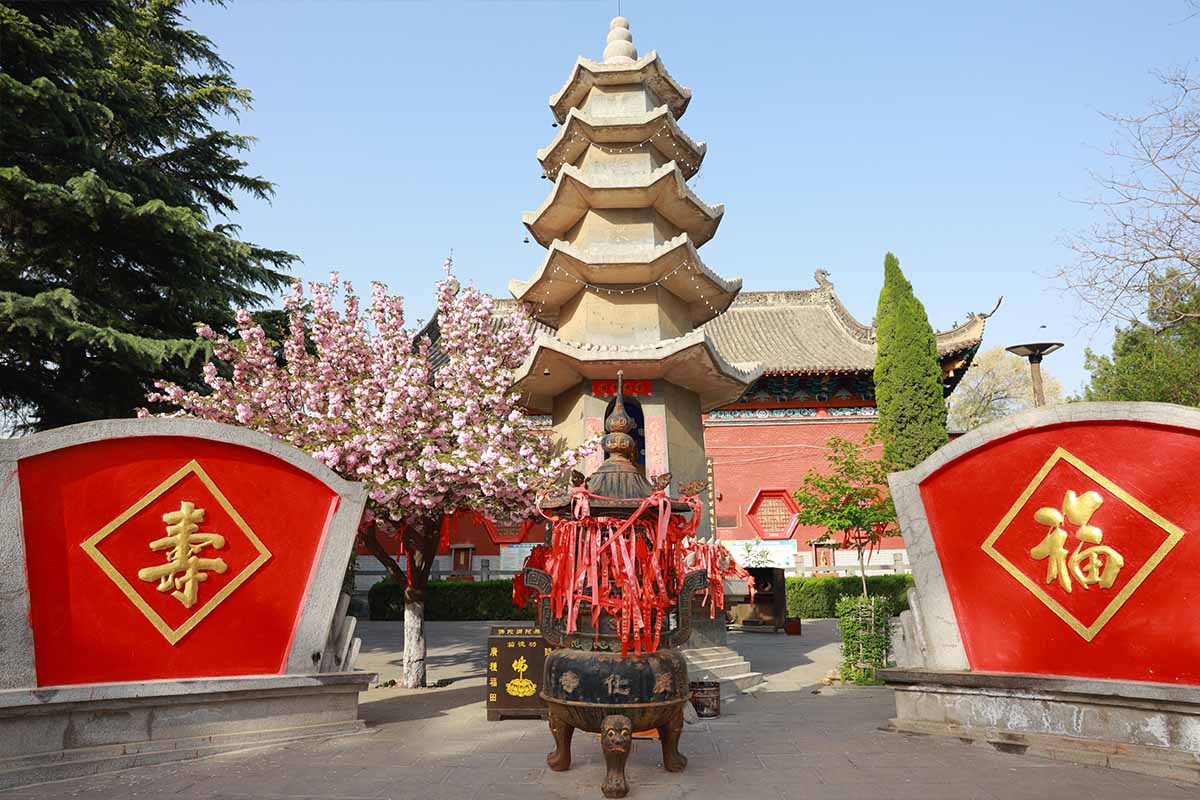
A Wellness Travel Supplier should be assessed on program relevance, cultural setting, booking clarity, and the ability to explain what participants will actually do. Funzendo is based at Longmen Guanghua Temple in Luoyang, China, and offers temple stays, meditation retreats, traditional wellness training, Buddhist cultural programs, tea culture activities, and related practice-based experiences. The available programs include Chan meditation, Buddhist temple life, Chinese tea culture, traditional incense culture, Taoist wellness, and Chinese Buddhist heritage. The supplier assessment should not stop at destination appeal. Buyers should ask whether the selected format is available for the intended dates, whether it is suitable for individuals or small groups, what the reservation requirements are, and which activities can be included. For groups focused on quiet practice, a 7 day Zen retreat China may be more appropriate than a sightseeing-led itinerary. For groups seeking a residential cultural setting, a Zen temple stay in China may be the more direct fit.
FAQ of Wellness Travel
Is Wellness Travel the same as a spa holiday? No. A spa holiday is generally built around leisure, treatments, and hospitality, while this program category is built around scheduled practices, cultural learning, mindful participation, or a contemplative setting. Can beginners join? Many programs can suit beginners, particularly those that introduce breathing practices, basic meditation, tea culture, or mindful listening in an accessible way. However, planners should confirm the specific program rather than assuming every retreat has the same intensity. Is it appropriate for business groups? It can be appropriate for corporate wellness, incentive, and specialist cultural groups when the organizer communicates the format clearly in advance. It does not fit every corporate audience. Groups expecting nightlife, unrestricted leisure, or treatment-led resort facilities should choose a spa vacation instead. The best results come from matching participant expectations, trip purpose, and the selected program’s actual schedule.
If you are looking for a reliable Wellness Travel supplier please contact us anytime to get the latest quote.